


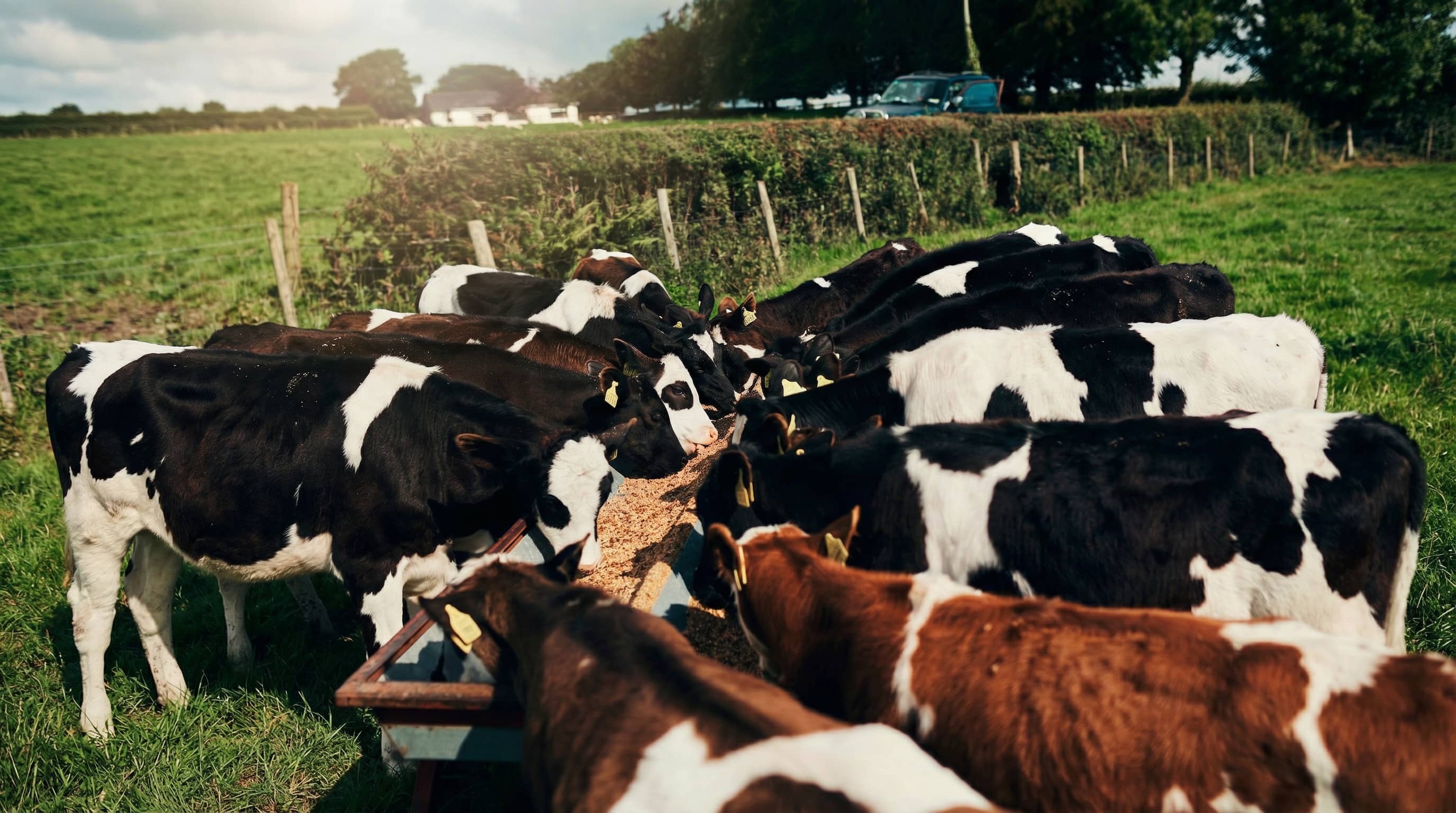
Rumen health is one of the key pillars of performance in dairy cattle. In organic systems, feed quality becomes especially important, as cows rely on natural ingredients that respect their physiology and promote optimal fermentation. Organic feeding for cows “shows us that it is possible to obtain high-quality milk thanks to organic feed for cows, as well as more balanced animals and farms committed to their environment,” says Juan Salvador, Manager of Bifeedoo. In addition, organic formulations, rich in high-quality fiber and raw materials free from chemical residues, contribute “to a more balanced rumen, reducing the risk of acidosis and maintaining the microbial activity necessary for a healthy metabolism,” Salvador adds.
Rumen health as the foundation of stable production
This type of feeding also supports a more regulated digestive transit and improves rumen pH stability, resulting in calmer animals, better appetite, and a more uniform body condition. According to data collected by specialized livestock sector organizations, organic systems tend to show a lower incidence of digestive disorders thanks to more natural and consistent diets.
Milk performance for higher-quality and more nutritious milk
Undoubtedly, the use of organic feed not only benefits animal health but also improves the quality and consistency of milk production. Diets based on organic raw materials tend to enhance parameters such as fat and protein content and may promote healthier lipid profiles, highly valued by consumers seeking differentiated dairy products.
From a production standpoint, a more digestible diet adapted to the rumen system contributes to consistent performance, even during periods of climatic stress or seasonal changes. As indicated by sector reports, the combination of organic forage and certified feed helps maintain more uniform lactation curves and reduces unwanted fluctuations in daily yield.
Sustainability as a strategic pillar for farms and distributors
The shift toward sustainable models positions organic feed as an essential resource for farms aiming to reduce their environmental footprint. Its production from certified raw materials, free of pesticides and synthetic fertilizers, helps reduce soil contamination and protect surrounding biodiversity. It also contributes to animal welfare, a key factor in the dairy value chain and increasingly decisive in purchasing decisions.
Looking ahead to 2026: opportunities to differentiate the offering
For distributors and farmers, investing in organic ranges represents a clear opportunity to incorporate high value-added products aligned with consumers who demand transparency, sustainability, and animal welfare. With organic feed for cows, Bifeedoo continues to develop solutions that combine nutritional efficiency, environmental respect, and production quality—key pillars for the sector’s competitiveness in the coming years.